How to Unclog a Toilet, With or Without a Plunger
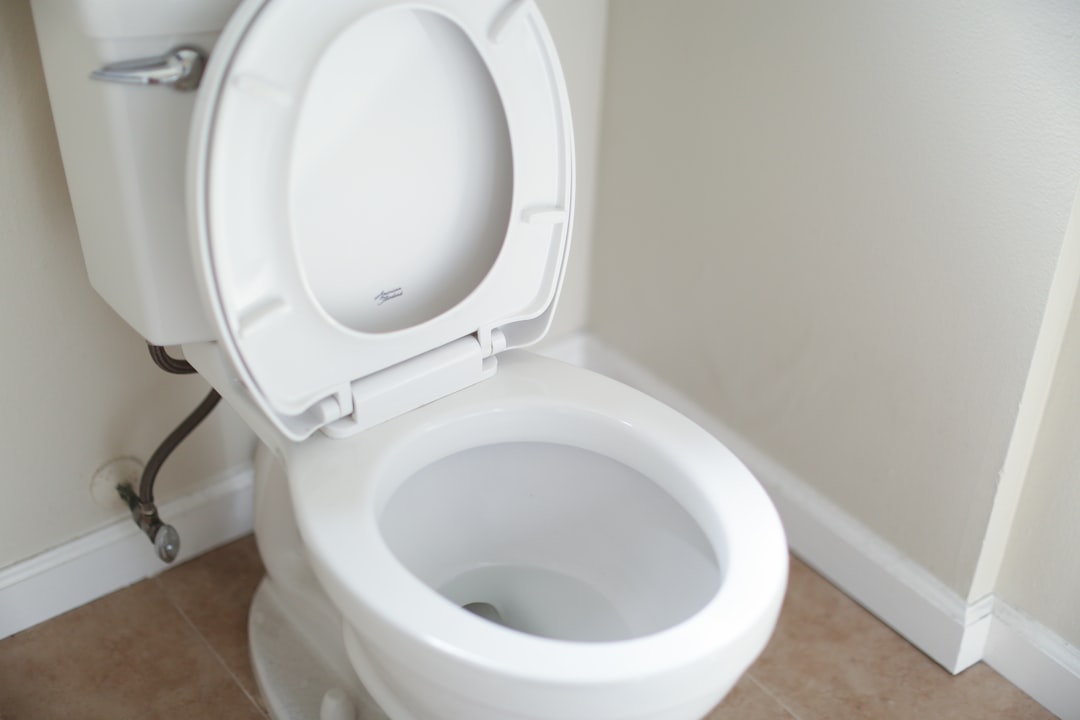
Quick Answer: How Do You Unclog a Toilet?
Use a flange plunger with a tight seal over the drain hole and steady up-and-down strokes — this clears most toilet clogs in under 5 minutes. No plunger on hand? Dish soap and a bucket of hot water often does the same job. Still clogged? A toilet auger reaches further than a plunger can.
First: don’t panic-flush. A second flush on a clogged toilet is how bathroom floors end up wet. Stop, assess, and work through these fixes in order.
⚠️ Before You Start
- If the bowl is rising toward the rim, remove the tank lid and push the flapper down to stop more water from entering before you do anything else.
- Don’t flush again once you’ve confirmed it’s clogged — that’s how overflows happen.
- Wear rubber gloves for any hands-on work.
What’s Actually Wrong? (Diagnosis)
| Symptom | Likely cause | Go to |
|---|---|---|
| Water rises slowly, doesn’t drain | Standard paper/waste clog | Fix 1 |
| No plunger available | Same clog, different tool | Fix 2 |
| Plunging doesn’t clear it after several tries | Clog further down the trap | Fix 3 |
| Clogs happen repeatedly, same toilet | Weak flush or partial line blockage | See Prevention below |
What You’ll Need
- Flange plunger (has an extra rubber fold inside the cup) — $10–15
- Dish soap — $0, already in your kitchen
- Bucket — for the hot water method
- Toilet auger (closet auger) — $20–30, only needed for stubborn clogs
- Rubber gloves — $3–5
Total if you need every fix: under $35, and the plunger and auger are reusable forever — still far less than a single plumber visit.
Fix 1: Plunge It Properly 5 MIN · EASY
A flange plunger — the kind with a folded rubber extension, not a flat cup — seals far better against a toilet’s curved drain hole.
- Extend the flange and position the plunger directly over the drain hole.
- Press down slowly first to push out trapped air, then plunge with firm, steady up-and-down strokes.
- Keep the seal unbroken for 10–15 strokes before checking.
- Flush to test once water starts draining — if it drains and refills normally, you’re done.
No plunger in the house? Try Fix 2 instead.
Fix 2: Hot Water and Dish Soap (No Plunger) 15 MIN · EASY
This works surprisingly well and needs nothing but items already in your kitchen.
- Squirt a generous amount of dish soap into the bowl, letting it settle toward the clog.
- Heat a few cups of water until hot but not boiling — boiling water can crack porcelain.
- Pour the hot water in from about waist height to add force behind the pour.
- Wait 10–15 minutes for the soap to lubricate the clog, then attempt a flush.
Still clogged after both attempts? The blockage is likely sitting further into the trap — bring in a toilet auger.
Fix 3: Use a Toilet Auger 15 MIN · MEDIUM
A toilet auger (also called a closet auger) reaches past the bowl’s trap where a plunger’s pressure can’t fully follow.
- Insert the auger’s rubber-coated end into the drain hole, curved side up.
- Crank the handle clockwise to feed the cable down through the trap.
- If you feel resistance, keep cranking gently — you’re either breaking up the clog or hooking it.
- Slowly retract the cable, then flush to test.
When You SHOULD Call a Plumber
- An auger doesn’t clear it — the blockage may be in the main drain line, not the toilet itself.
- Multiple fixtures back up when you flush, which points to a sewer line problem.
- The toilet clogs constantly even with normal use — it may need a full rebuild or the drain line needs inspection.
Fair pricing: expect $150–350 for a standard toilet clog service call, more if a camera inspection of the line is needed.
How to Stop It Happening Again
- Flush only toilet paper — wipes, even “flushable” ones, are the #1 cause of repeat clogs.
- Use less paper per flush on low-flow toilets, which have weaker flush pressure than older models.
- Keep a flange plunger in every bathroom so you’re never caught without one.
- Address a weak flush separately — see our Weak Toilet Flush guide if clogs are a recurring pattern.
FAQ: Unclogging a Toilet
- How do you unclog a toilet without a plunger, if you don’t have one on hand?
- Add a generous squirt of dish soap to the bowl, then pour in a bucket of hot (not boiling) water from about waist height. The soap lubricates the clog and the water pressure often pushes it through.
- Why does my toilet keep clogging even after I’ve cleared it fine?
- Frequent reclogging often means too much toilet paper per flush, a low-flow toilet with weak flush pressure, or a partial blockage further down the drain line that a plunger doesn’t fully clear.
- Is it safe to use a chemical drain cleaner on a clogged toilet?
- Avoid it. Chemical drain cleaners are formulated for sink and shower pipes, not toilet bowls, and can damage the porcelain or become hazardous if you need to plunge afterward.
- How many times should I try plunging before giving up and calling someone?
- Give it a genuine 10–15 firm strokes per attempt, and try two or three attempts total, resting briefly between. If there’s no improvement at all after that, move to the auger before considering a call — most clogs that respond to plunging respond within the first couple of tries.
The Bottom Line
A clogged toilet is one of the fastest DIY wins in the house — a plunger, or even just dish soap and hot water, clears most clogs in under 15 minutes for next to nothing. You just saved yourself $150–350 and an awkward wait for a plumber.
Keep going: How to Fix a Running Toilet Yourself · Clogged Kitchen Sink? How to Unblock It · more in our Plumbing fix guides.